
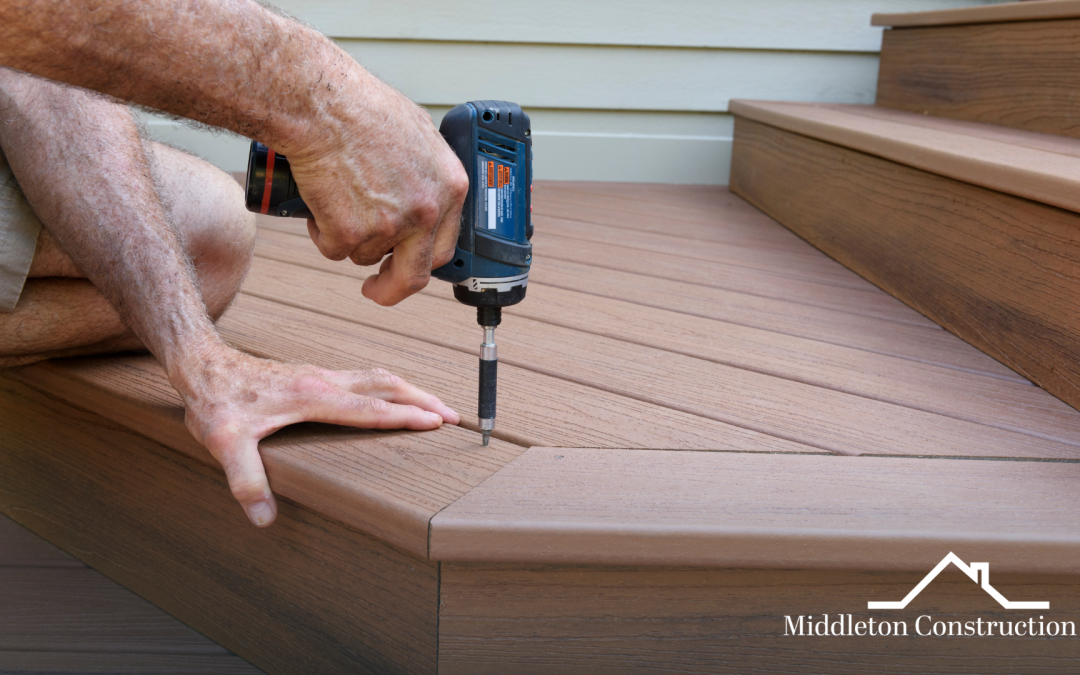
When designing an outdoor living space for a coastal home, choosing the right decking material is one of the most important decisions you’ll make. The salty air, high humidity, and intense sun that define coastal environments can take a toll on outdoor surfaces. Two of the most popular decking options—wood and composite decking—each have pros and cons. In this guide, we’ll break down the details so you can make the best choice for your coastal home.
Why Coastal Homes Need Special Consideration:
Coastal conditions are harsh on building materials. Factors like:
- Salt spray
- High humidity
- UV exposure
- Sand abrasion
all shorten the lifespan of outdoor decking if the material isn’t properly suited for them. With this in mind, let’s explore how wood and composite decking stack up.
Wood Decking: Natural Beauty with Classic Appeal
Wood decking has been a trusted choice for generations due to its natural look and feel. Common types of wood used for decks include:
- Pressure‑treated pine
- Cedar
- Redwood
- Ipe and other hardwoods
Pros of Wood Decking
- Authentic, timeless beauty — Wood has a natural, warm aesthetic that many homeowners prefer.
- Customizable — You can stain or paint wood to match your home’s style.
- Cost‑effective upfront — Wood is often less expensive initially than quality composite decking.
Cons of Wood Decking
- Maintenance‑intensive — Wood needs regular sealing and staining to resist rot, mold, and UV damage.
- Susceptible to coastal elements — Salt air and moisture can cause warping, splintering, and faster wear if not properly maintained.
- Shorter lifespan — Even with maintenance, wood generally won’t last as long in a coastal environment as composite materials.
Best For: Homeowners who prioritize natural aesthetics and don’t mind ongoing maintenance.
Composite Decking: Durable & Low Maintenance
Composite decking is engineered from a blend of wood fibers and recycled plastics. Today’s premium composites are built to stand up to tough environments, making them a strong contender for coastal applications.
Pros of Composite Decking
- Superior durability — Resists rot, mold, mildew, and insect damage.
- Minimal maintenance — No sanding, staining, or sealing required; a simple wash with soap and water keeps it looking great.
- Fade and stain resistance — Many modern composites are designed to handle sun exposure without significant fading.
- Longer lifespan — Typically lasts much longer than traditional wood in coastal environments.
Cons of Composite Decking
- Higher upfront cost — Quality composite decking costs more initially than most wood options.
- Less natural look — While modern composite materials mimic wood grain, they don’t have the same organic feel.
- Heat retention — Some composites can get hotter than wood in direct sun.
Best For: Homeowners who want a long‑lasting, hassle‑free deck that stands up to coastal conditions.
Which One Is Best for Your Coastal Home?
Ultimately, it’s up to you. If you love the classic look of real wood and don’t mind routine care, wood decking can still work—but expect more long‑term maintenance in a coastal setting
If you’re looking for durability, low maintenance, and longevity, composite decking is often the superior choice for coastal climates. For many homeowners, the long‑term cost savings and reduced upkeep outweigh theupfront cost difference.
Need Help Choosing or Installing Your Deck?
At Middleton Construction, we specialize in decking solutions built to withstand the toughest coastal environments. Whether you prefer the timeless beauty of wood or the modern performance of composite decking, our team will help you design and build the perfect outdoor space for your home.
Contact us today to get started on your dream coastal deck!