
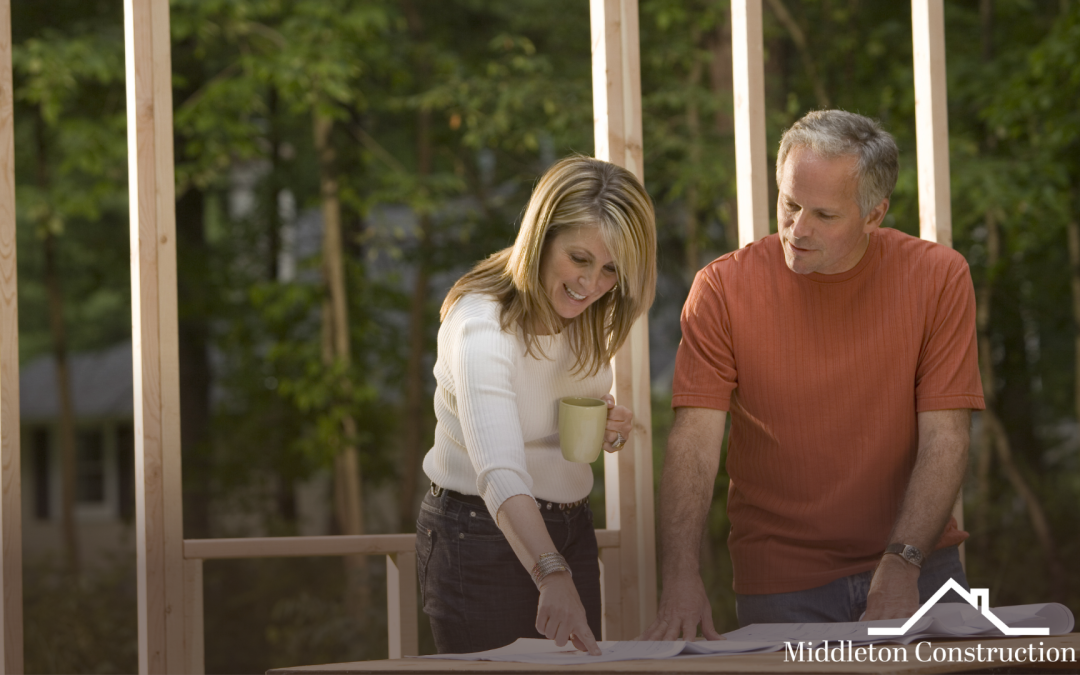
Summer is one of the most popular times of year for home improvement projects, and for good reason. Longer daylight hours, favorable weather conditions, and school breaks make it an ideal season for expanding your living space. Whether you’re adding a new bedroom, expanding your kitchen, creating a home office, or building a sunroom, proper planning is essential to ensure your home addition stays on schedule and within budget.
Before construction begins, homeowners should take the time to understand the key factors that contribute to a successful project.
Start with a Realistic Budget
One of the first steps in planning a home addition is determining your budget. Beyond the obvious construction costs, it’s important to account for design fees, permits, utility upgrades, site preparation, and potential unforeseen expenses.
Many homeowners find it helpful to establish a contingency fund of 10% to 20% of the total project cost. This financial cushion can help cover unexpected issues that may arise once construction begins, such as hidden structural concerns or material price fluctuations.
Working with an experienced contractor early in the planning process can provide a clearer understanding of costs and help prioritize features that align with your goals and budget.
Understand Local Permitting and Building Requirements
Every municipality has specific building codes and permit requirements that govern home additions. Before breaking ground, homeowners should ensure all necessary approvals are secured.
Permitting requirements often vary depending on the size and scope of the addition and may include:
- Building permits
- Electrical permits
- Plumbing permits
- Mechanical permits
- Zoning approvals
- Environmental or floodplain considerations
Failing to obtain proper permits can result in costly delays, fines, or complications when selling your home in the future. Partnering with a contractor familiar with local regulations can help streamline the approval process and avoid unnecessary setbacks.
Focus on Design and Functionality
A home addition should do more than simply add square footage—it should improve how your home functions for years to come.
When planning the design, consider:
How the Space Will Be Used
Think about both your current and future needs. A growing family may need additional bedrooms, while remote workers may benefit from dedicated office space.
Flow and Accessibility
The new addition should feel like a natural extension of your existing home. Pay attention to room transitions, traffic patterns, and accessibility features that may become important over time.
Natural Light and Energy Efficiency
Incorporating larger windows, energy-efficient insulation, and proper ventilation can enhance comfort while helping reduce long-term utility costs.
Resale Value
Certain additions, such as expanded kitchens, primary suites, and functional living spaces, often provide stronger returns on investment when it’s time to sell.
Plan Ahead for Summer Construction Schedules
Because summer is peak construction season, contractors’ schedules often fill up months in advance. Homeowners who wait too long to begin planning may encounter longer lead times for both labor and materials.
To keep your project moving smoothly:
- Schedule consultations early.
- Finalize design plans before construction begins.
- Order specialty materials well in advance.
- Maintain open communication with your contractor throughout the project.
Creating a realistic timeline with built-in flexibility can help manage expectations and reduce stress if unexpected delays occur.
Choose Materials That Can Handle Coastal Conditions
For homeowners in coastal regions, material selection plays a critical role in the longevity of a home addition.
Salt air, humidity, strong sunlight, and seasonal storms can accelerate wear and tear on certain building materials. Consider investing in:
- Moisture-resistant siding
- Impact-resistant windows
- Corrosion-resistant hardware and fasteners
- Durable roofing materials
- Mold- and mildew-resistant products
While these upgrades may require a larger initial investment, they often reduce maintenance costs and extend the life of your addition over time.
Prepare for the Construction Process
Even with careful planning, construction can temporarily disrupt daily routines. Homeowners should prepare for increased noise, limited access to certain areas of the home, and occasional schedule adjustments.
Before work begins:
- Establish a designated work zone.
- Protect valuables and furniture from dust.
- Discuss access points and work hours with your contractor.
- Create alternative plans for spaces that may be unavailable during construction.
Having clear expectations from the start can make the construction experience far more manageable.
Bringing Your Vision to Life
A home addition is one of the most effective ways to create more space, improve functionality, and increase your property’s value. By planning ahead, understanding local requirements, choosing durable materials, and partnering with experienced professionals, homeowners can set the stage for a successful project from start to finish.
Summer offers an excellent opportunity to invest in your home, but the key to success lies in preparation. With thoughtful planning and the right team in place, your home addition can become a seamless extension of the space you already love.